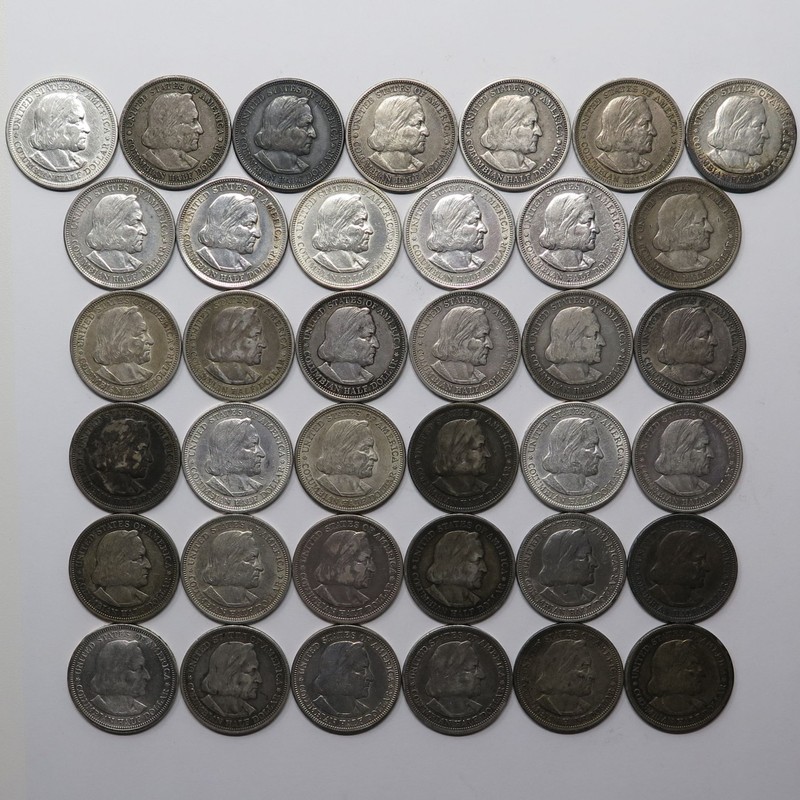
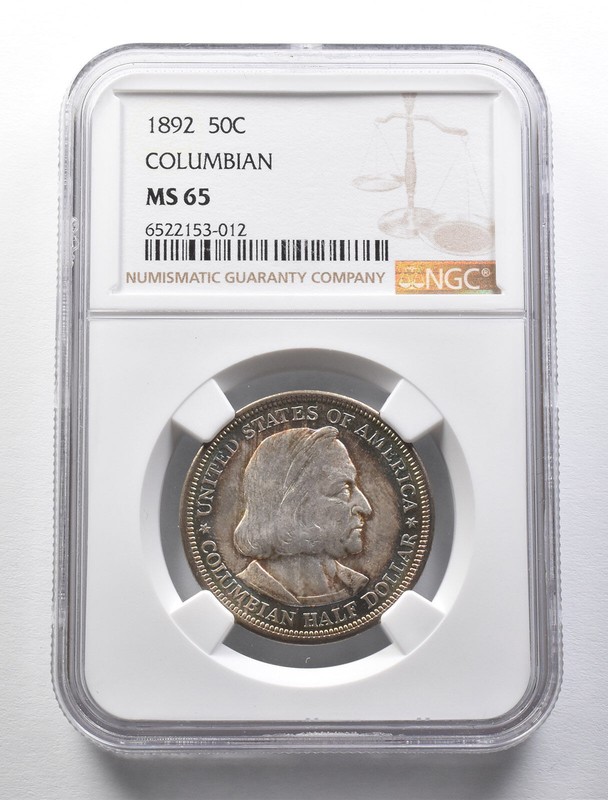
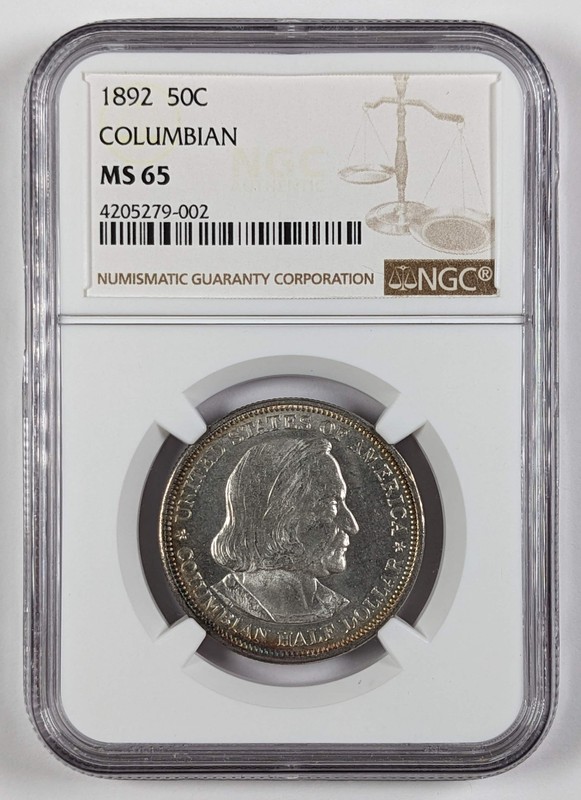
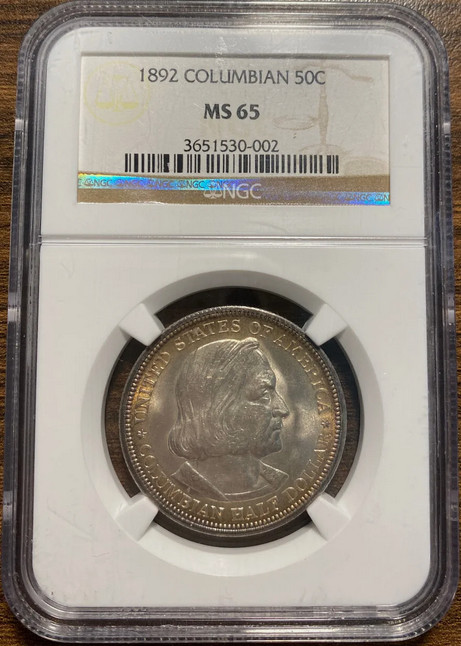
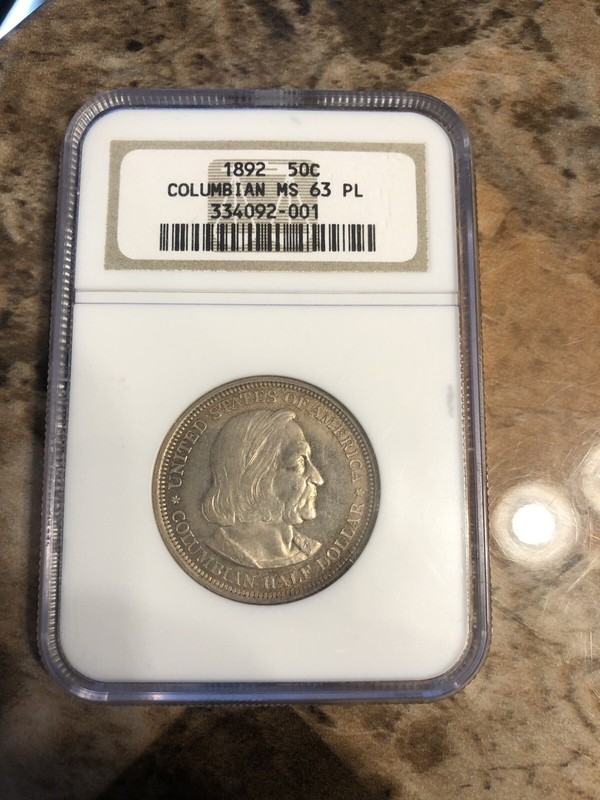
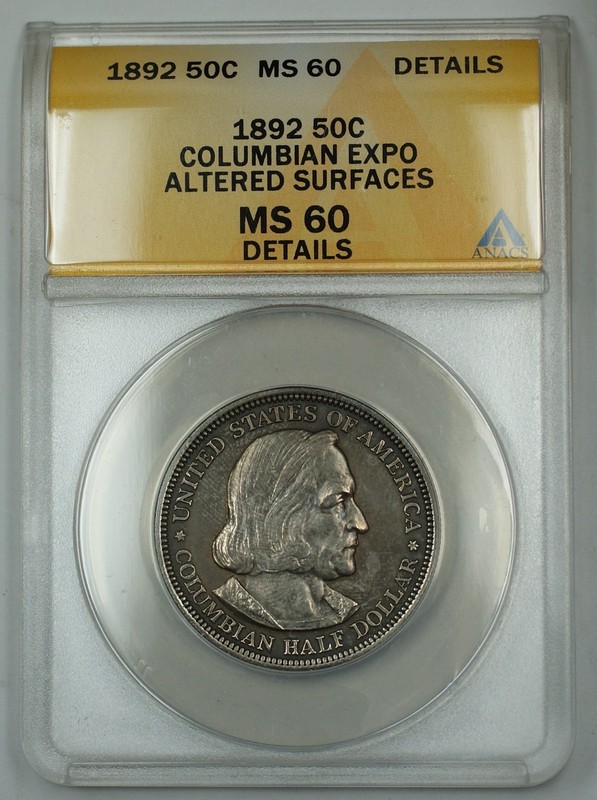
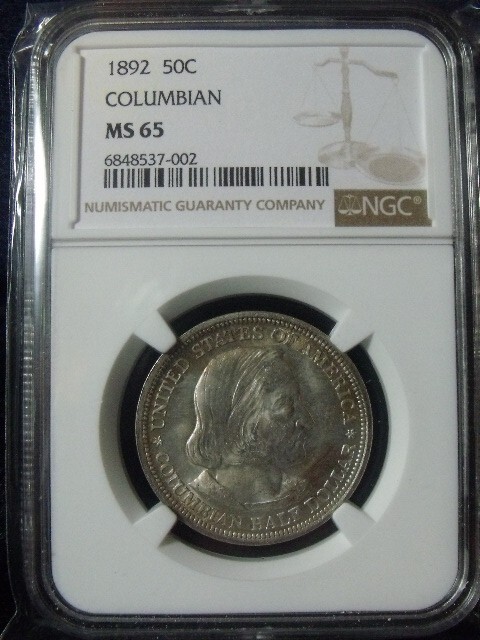
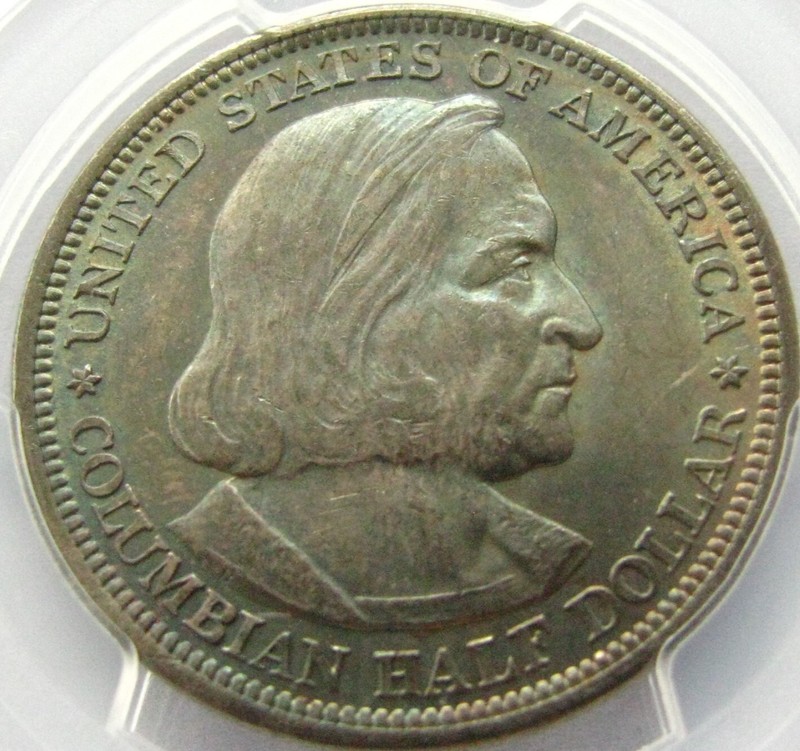
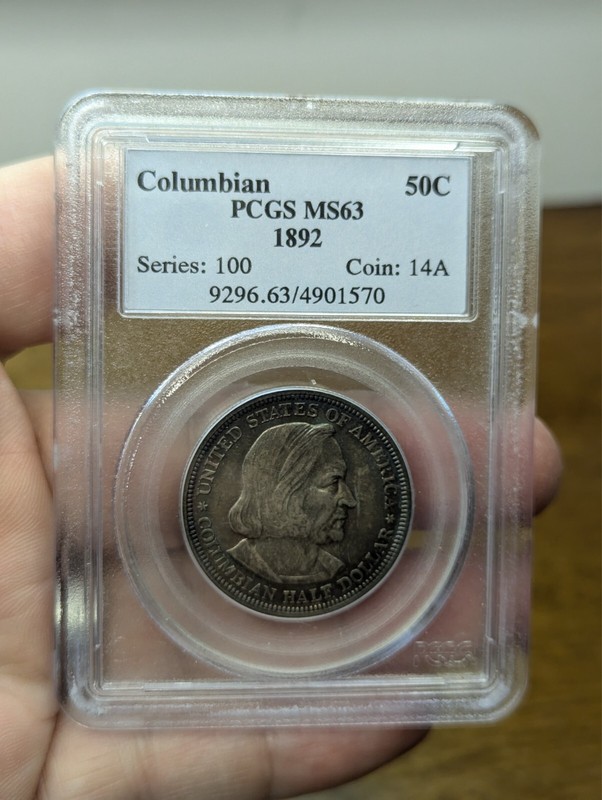
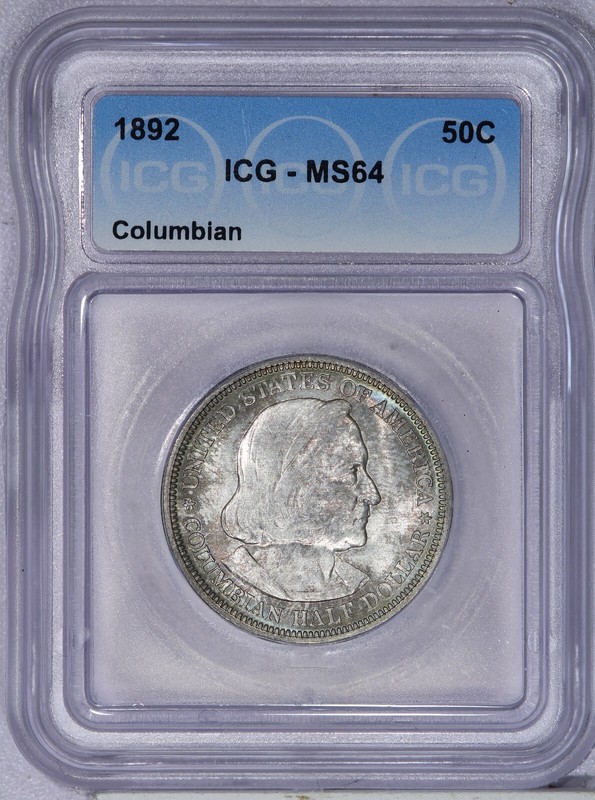
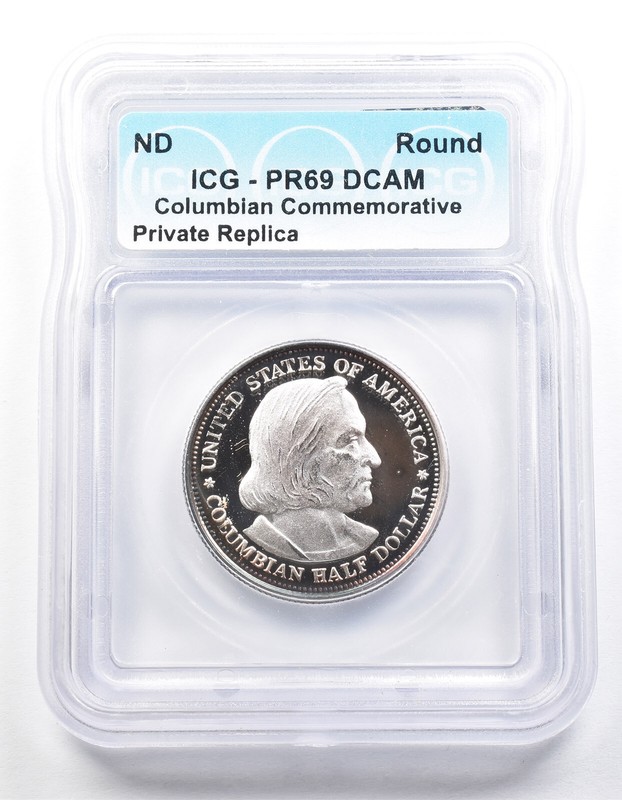
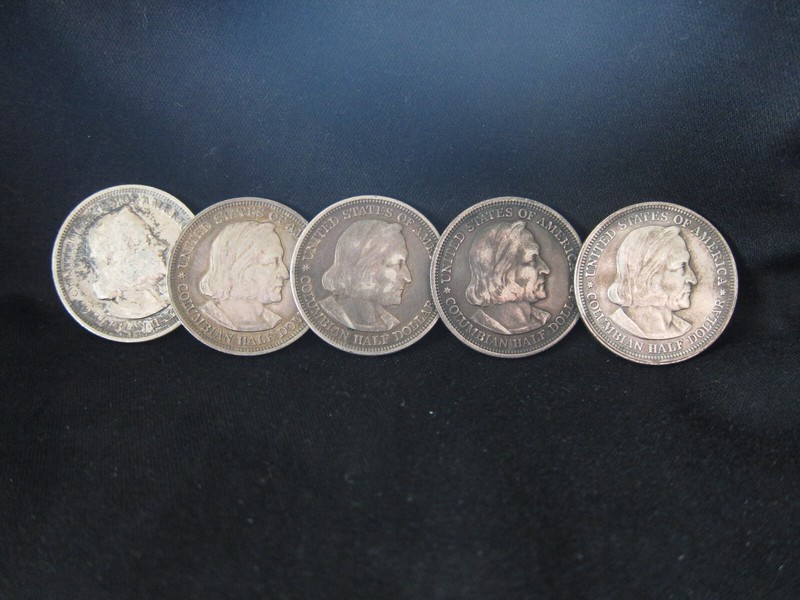
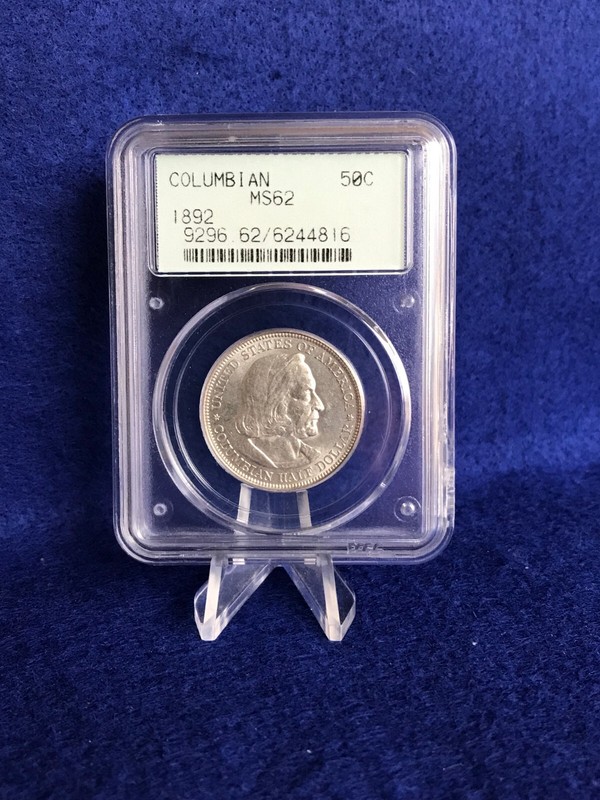
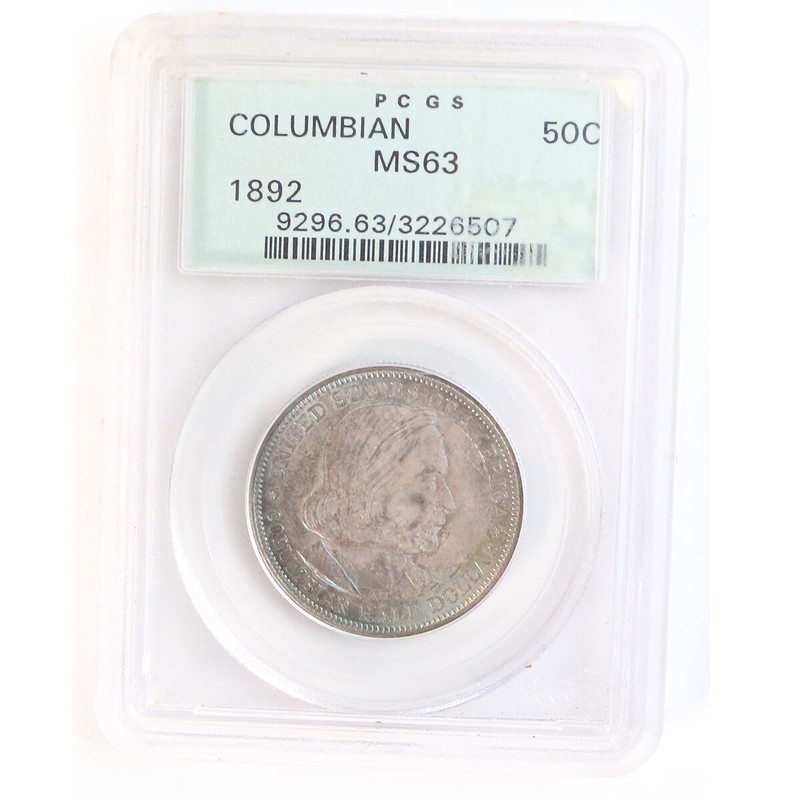
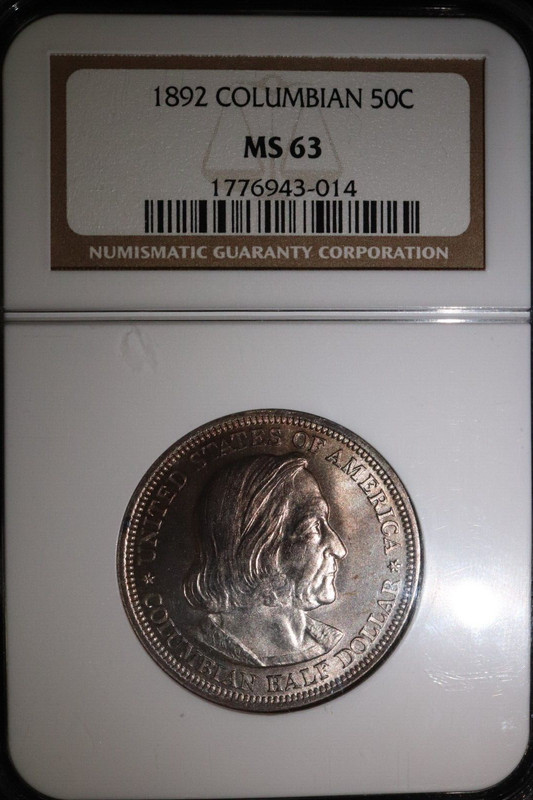
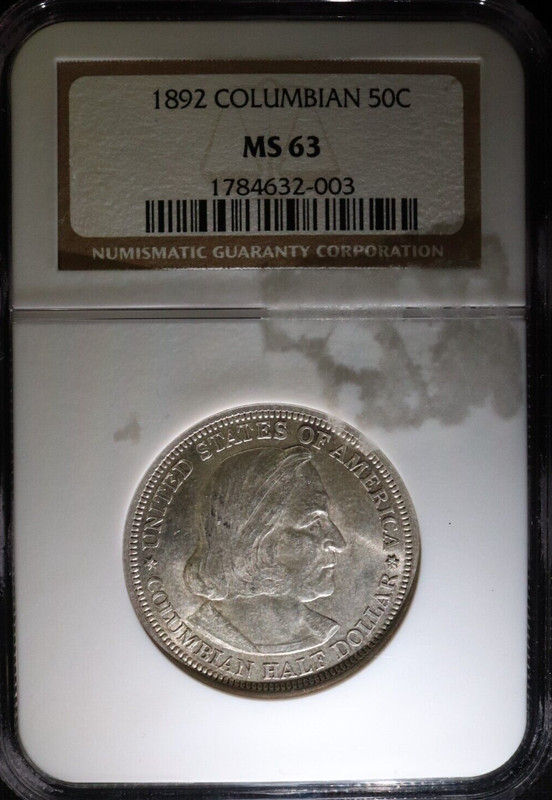
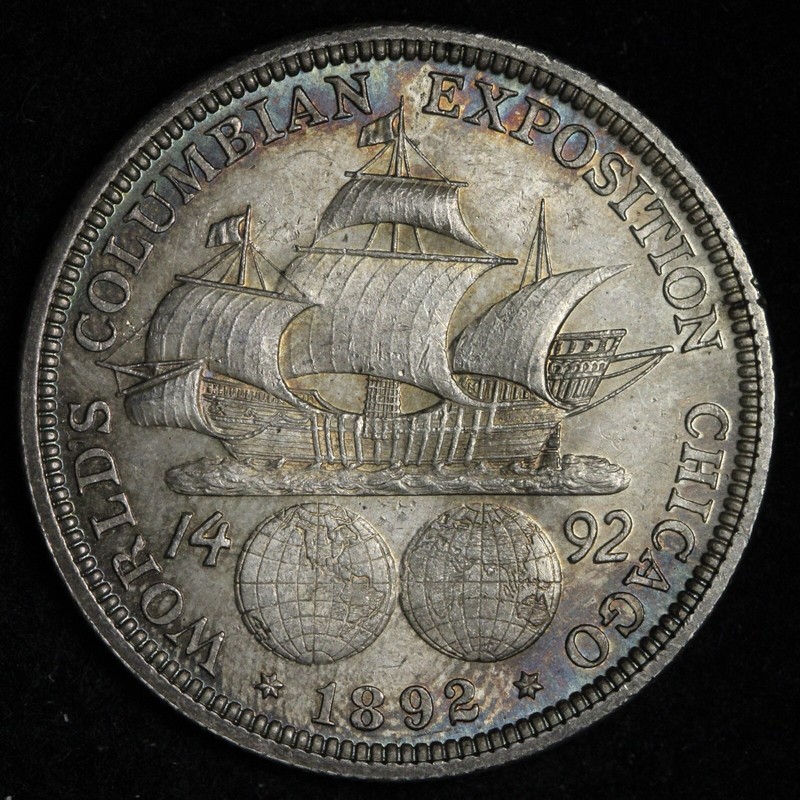
The 1892 Columbian Commemorative Half Dollar holds a special place in the annals of American numismatics as the nation’s inaugural commemorative coin. Issued to fund and celebrate the World’s Columbian Exposition in Chicago and mark the 400th anniversary of Christopher Columbus’s voyage to the New World, it is a coin brimming with historical significance. Although the Exposition itself took place in 1893, the coin was dated 1892 to coincide with the quadricentennial of Columbus’s 1492 expedition.
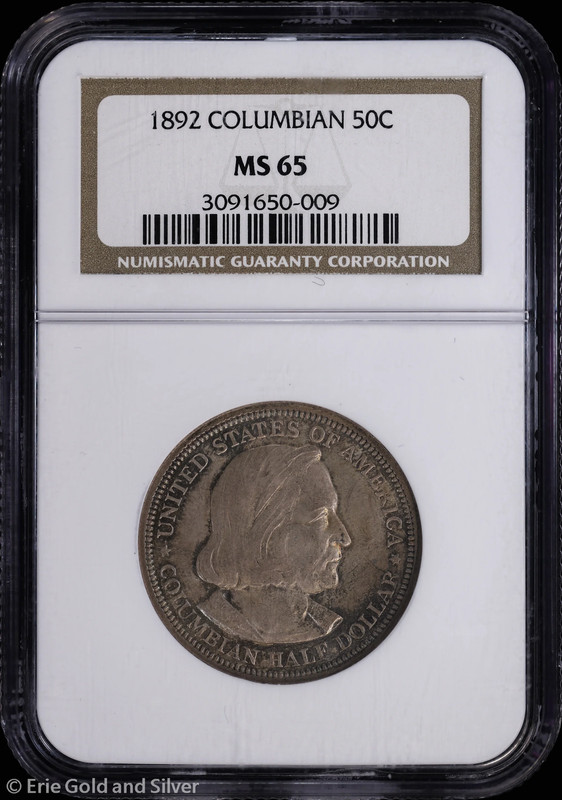
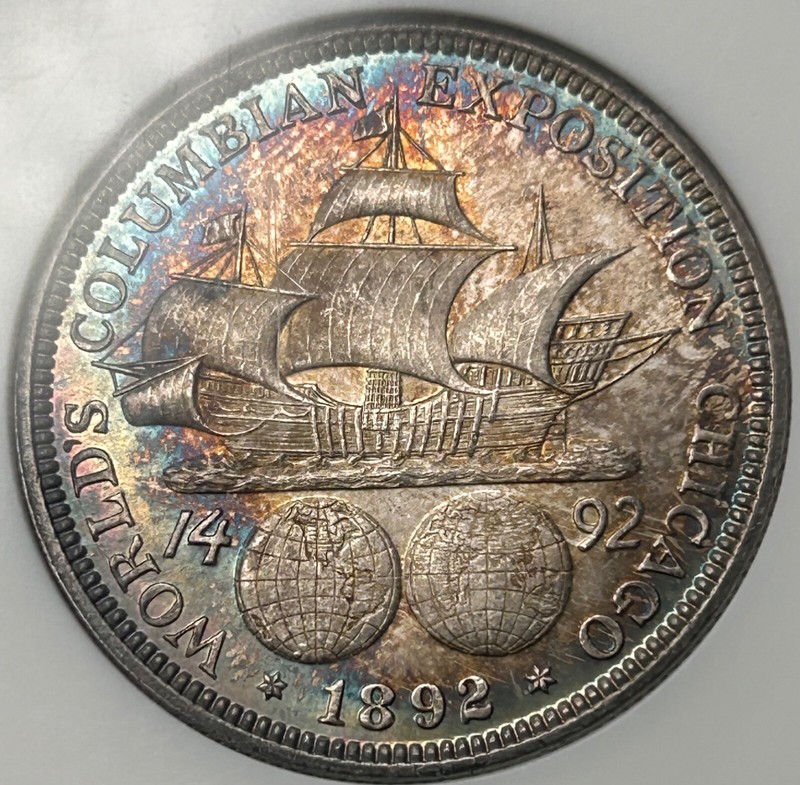
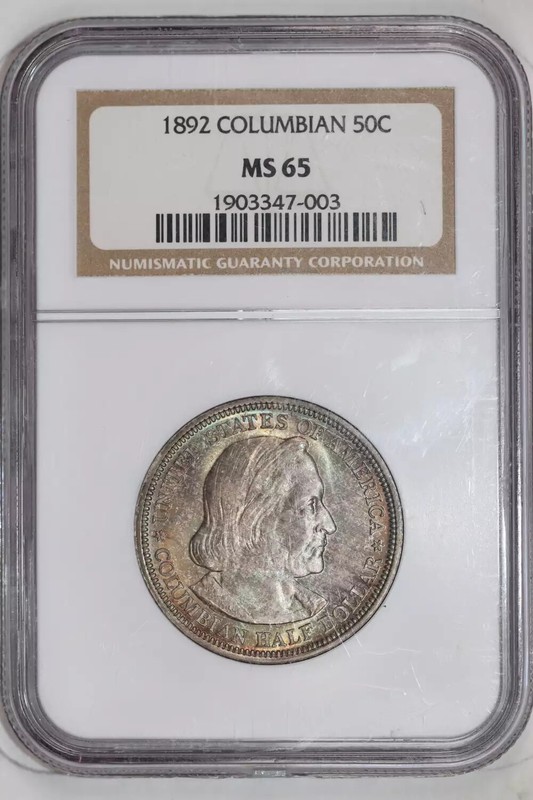
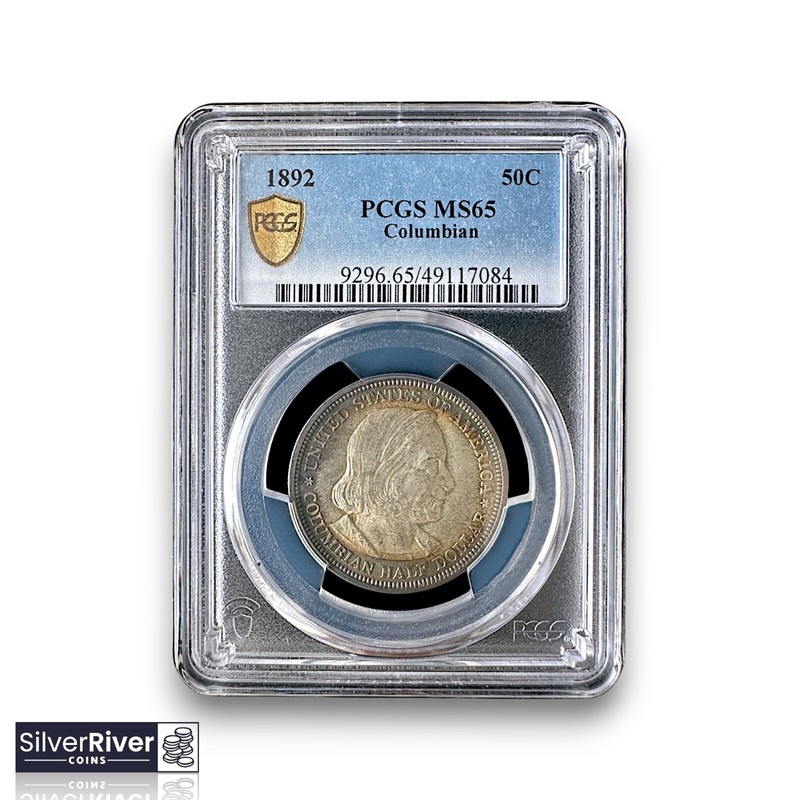
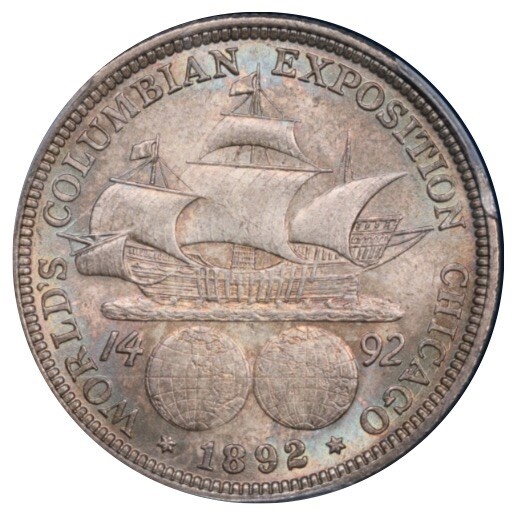
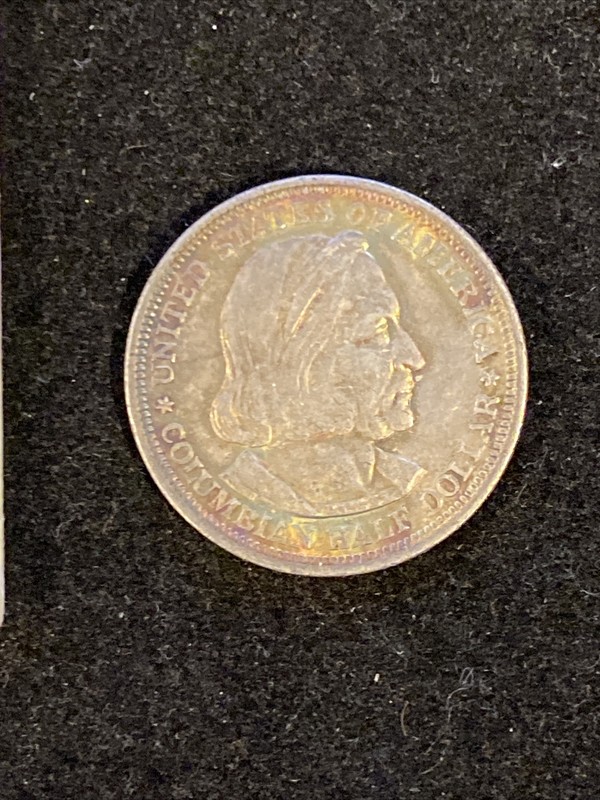
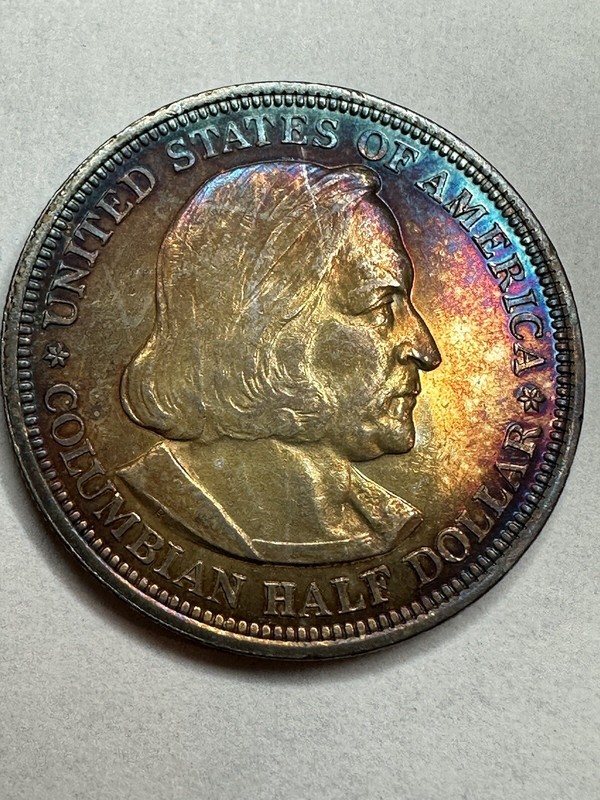
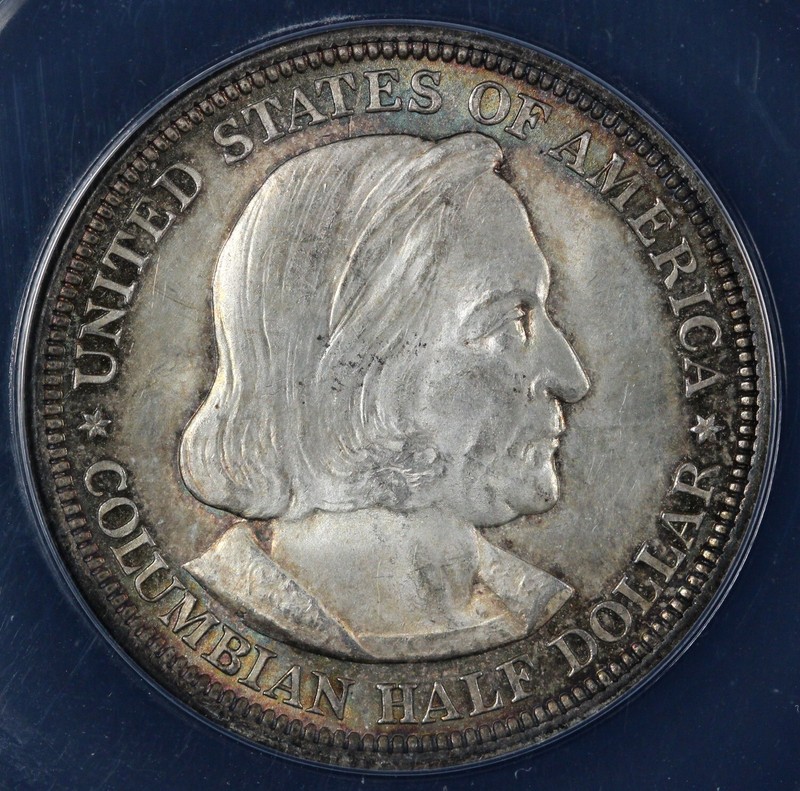
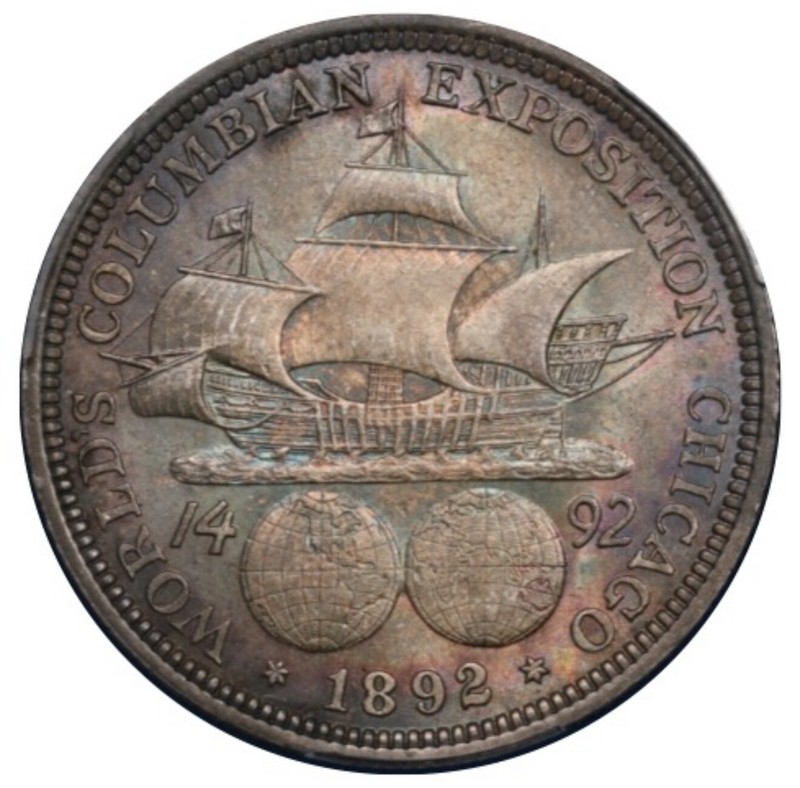
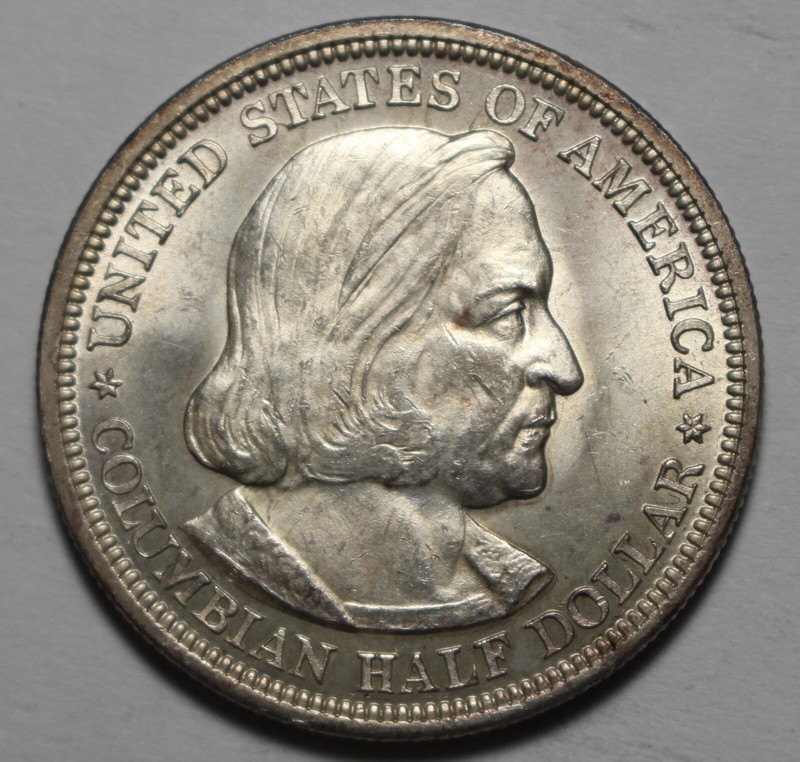
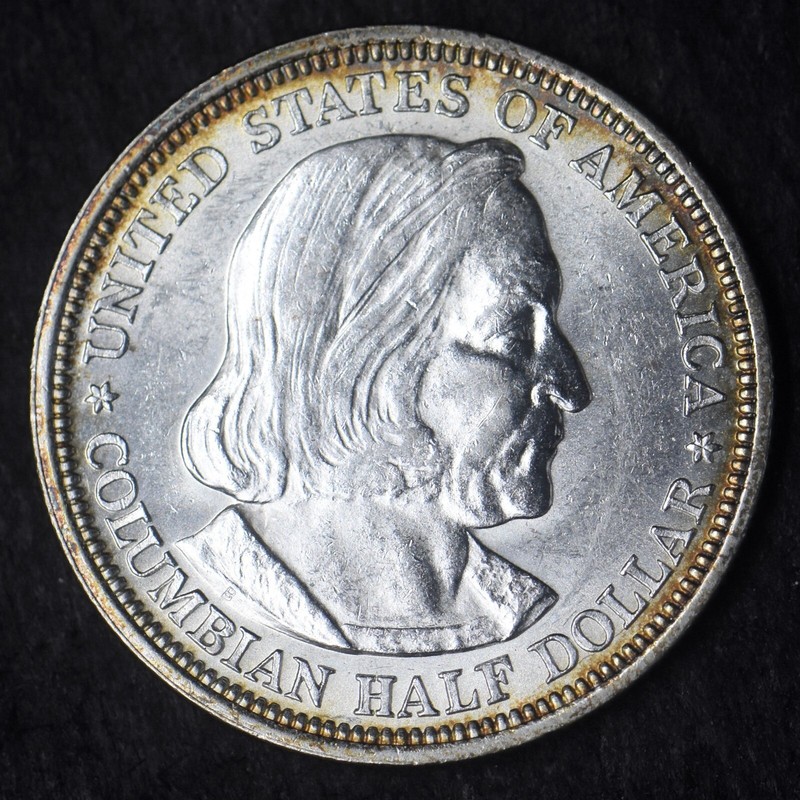
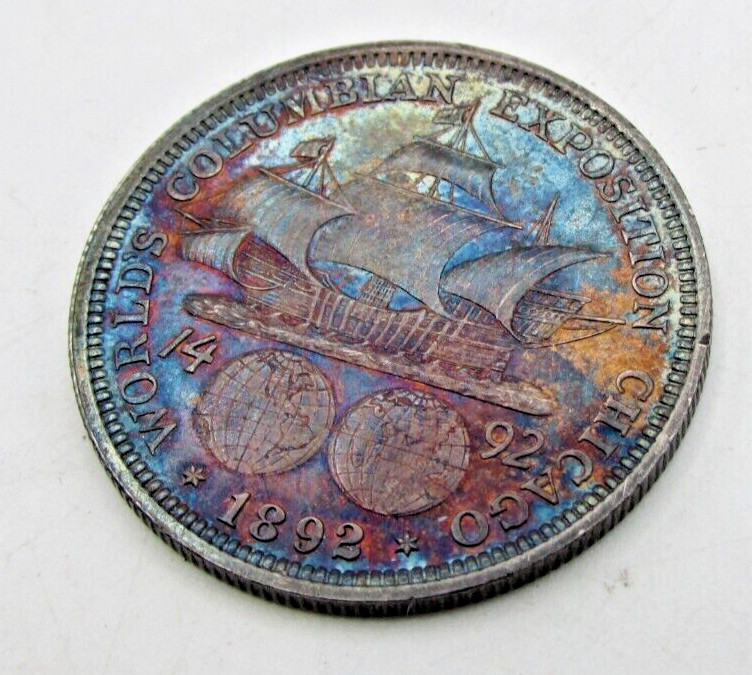
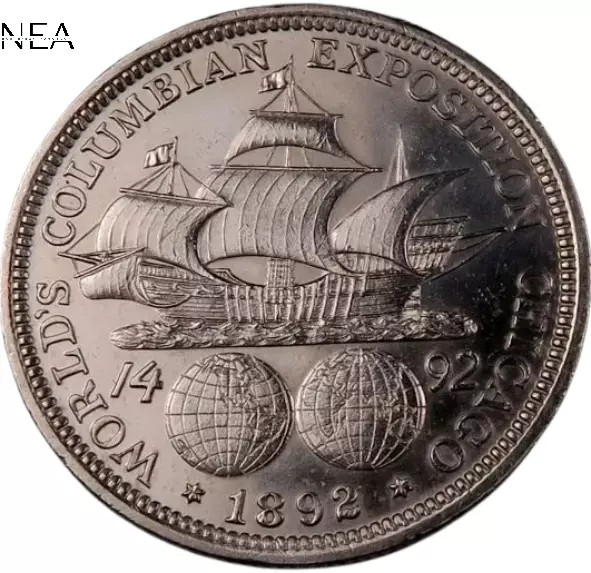
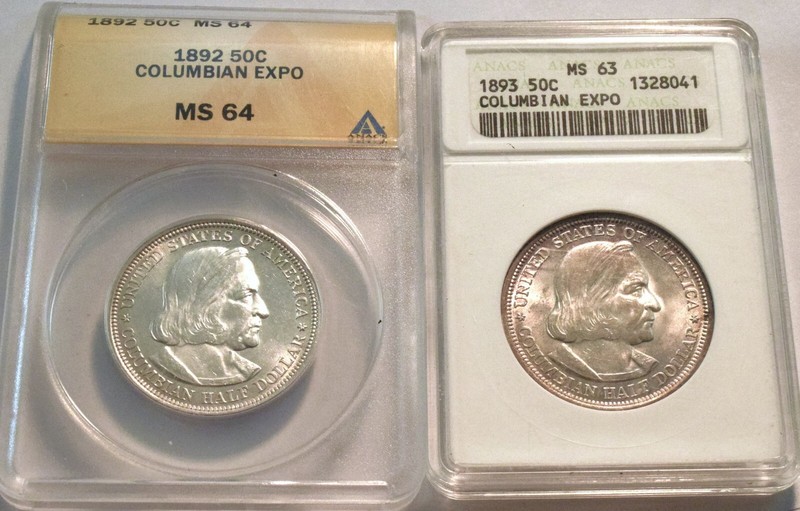
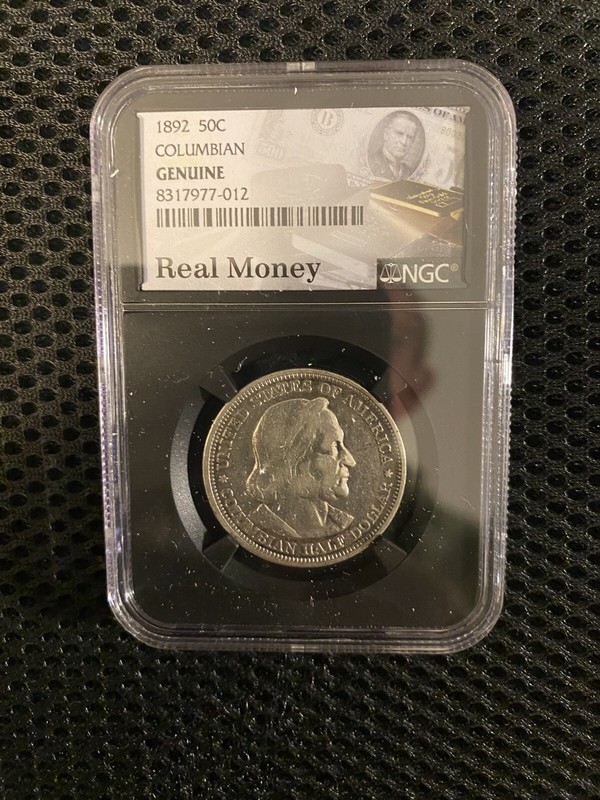
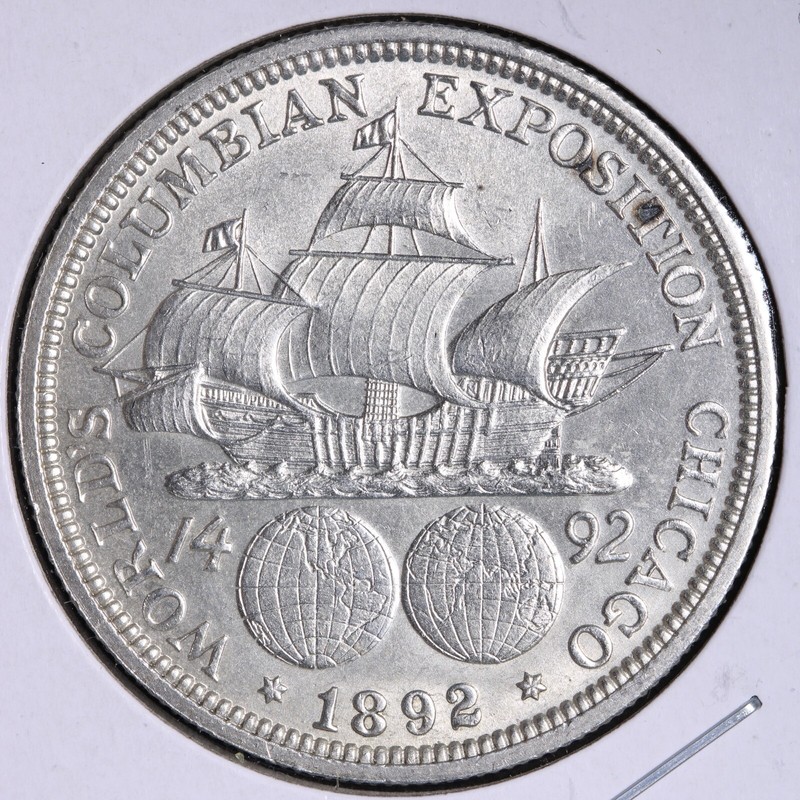
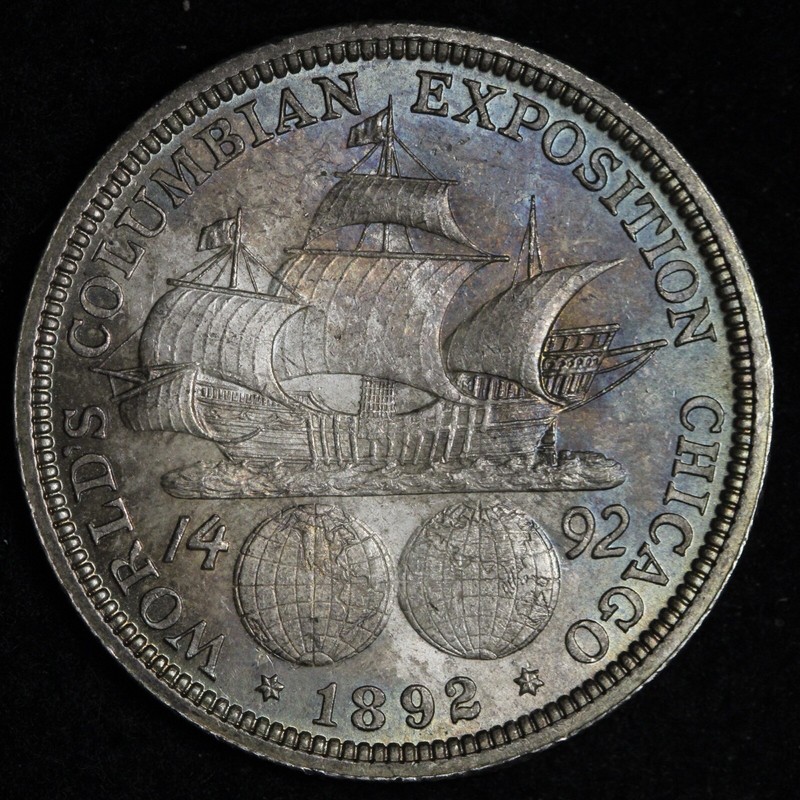
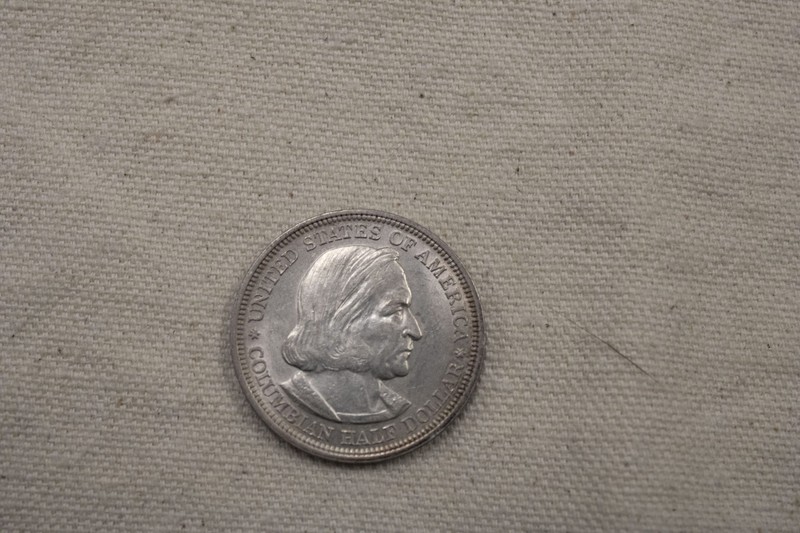
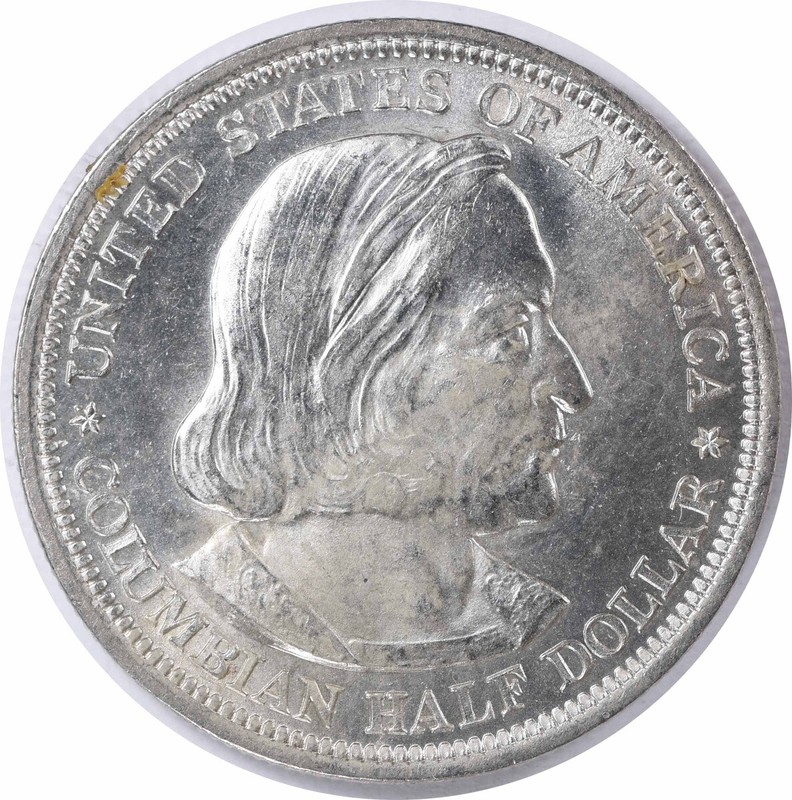
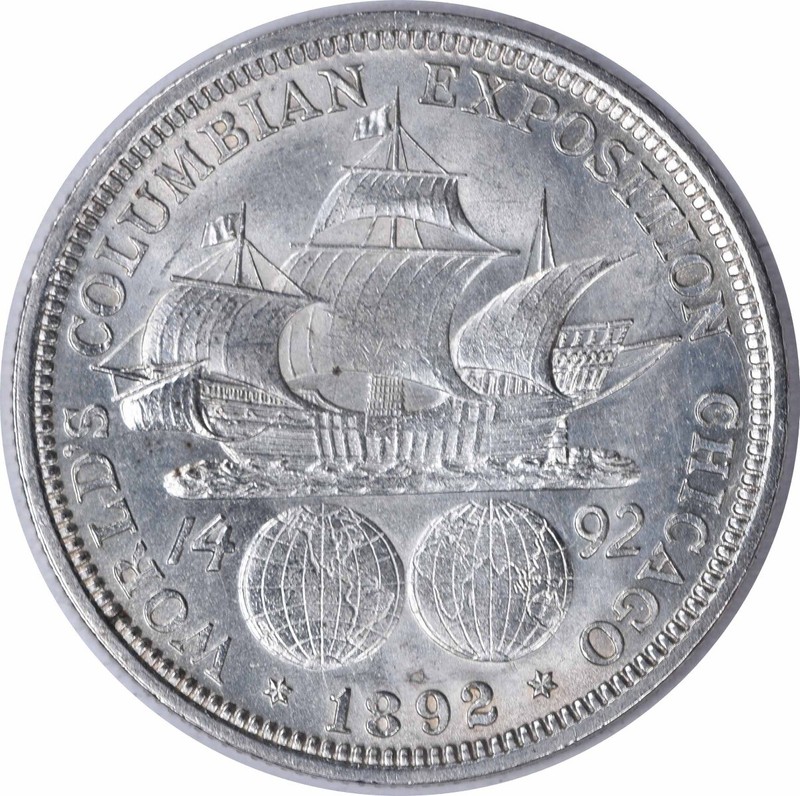
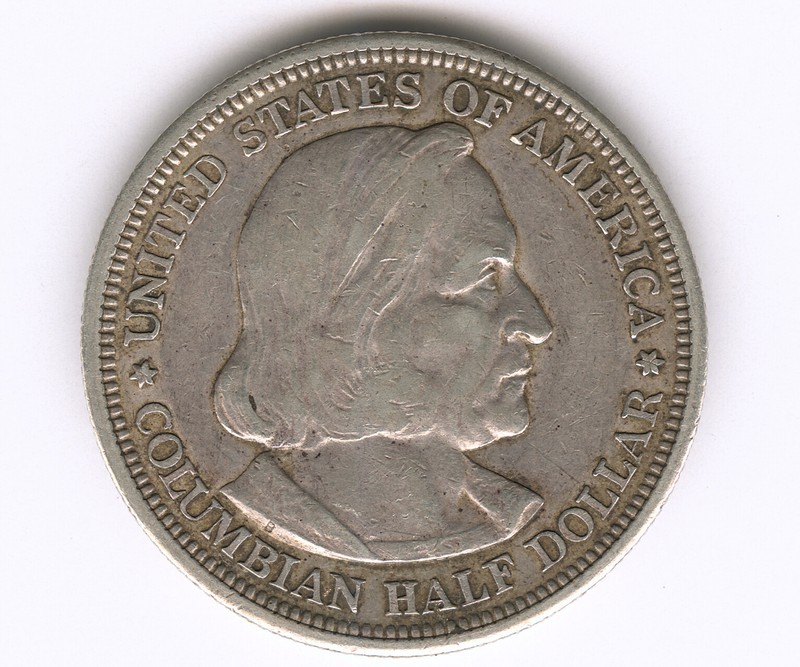
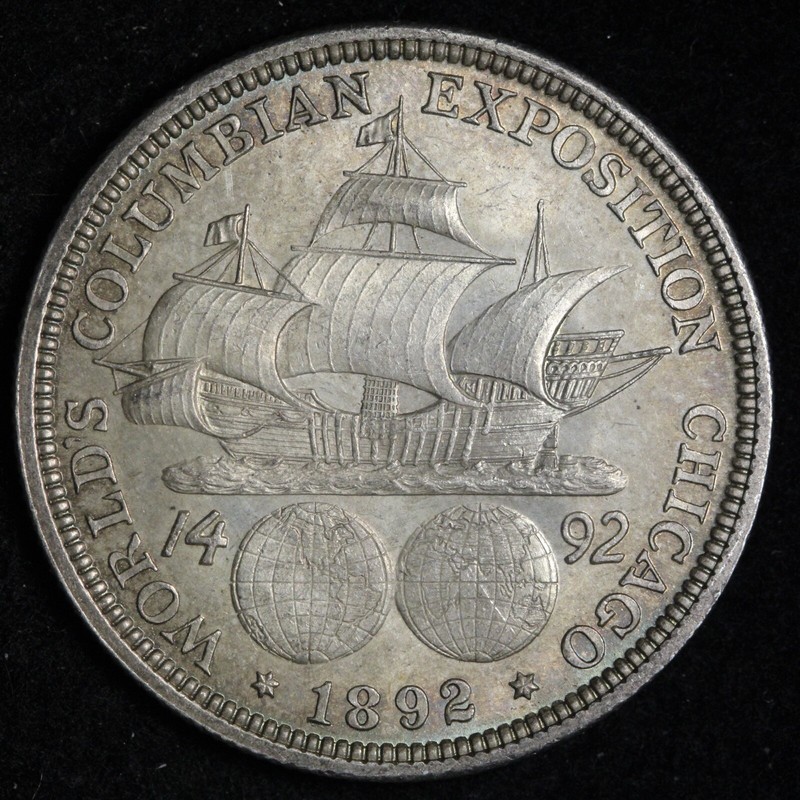
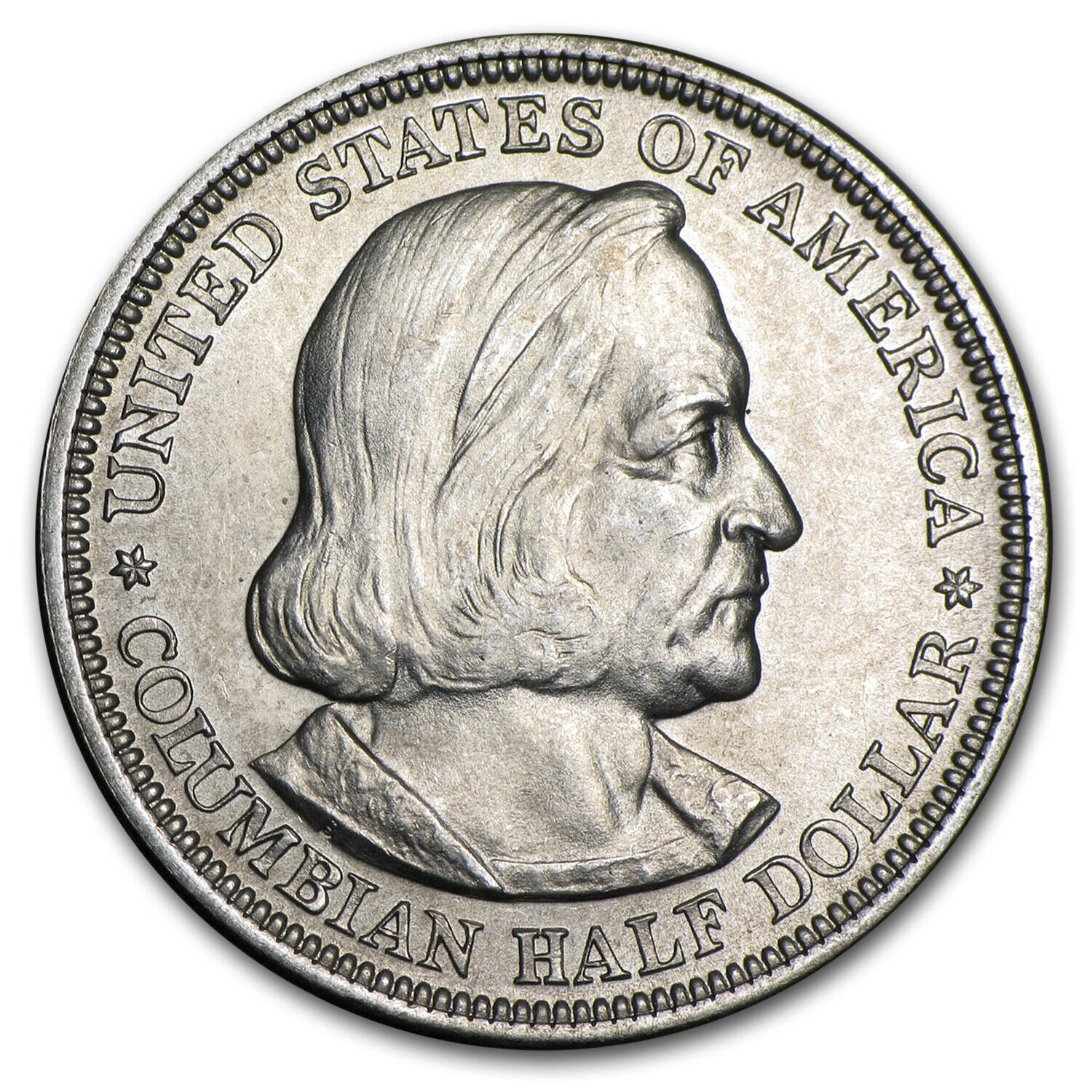
A unique blend of art and history is captured in the design of the Columbian Commemorative Half Dollar, with the obverse featuring a profile of Columbus and the reverse depicting his flagship, the Santa Maria, above two hemispheres. This coin was not only a piece of currency but also served as a souvenir for the Exposition, originally sold for one dollar each. Beyond its face value, it has become a treasured piece for collectors, owing to its distinct place in the timeline of American coinage and its reflection of the period’s cultural ethos.
Table of Contents
1892 Columbian Commemorative Half Dollar Facts
- The 1892 Columbian Half Dollar is the first U.S. commemorative coin.
- Its design celebrates Columbus’s voyage and the World’s Columbian Exposition.
- The coin has enduring collectible value and historical importance.

Sponsored Content






Historical Context
In our exploration of the 1892 Columbian Commemorative Half Dollar, we’ll uncover its roots in the World’s Columbian Exposition and its place in the annals of U.S. commemorative coinage.
World’s Columbian Exposition
In 1892 and 1893, the United States held a world’s fair known as the World’s Columbian Exposition to celebrate the 400th anniversary of Christopher Columbus’s voyage in 1492. This pivotal event took place in Chicago, marking a significant historical celebration that showcased the technological and cultural achievements of the era.
- Year: 1892-1893
- Location: Chicago
- Event: World’s Columbian Exposition
- Purpose: Celebrate the 400th anniversary of Columbus’ voyage
Commemorative Coinage History
In tandem with the Exposition, the United States delved into the realm of commemorative coinage with the introduction of the Columbian half dollar. This coin, minted in 1892 and 1893, served dual purposes:
- Fundraising: It helped raise money to support the funding of the World’s Columbian Exposition.
- Memorializing: It marked the quadricentennial of Columbus’s journey to the Americas.
- First Issue: 1892 Columbian half dollar
- Significance: First traditional U.S. commemorative coin
By issuing the half dollar, the United States Mint integrated a numismatic tribute into the nation’s broader cultural commemoration of this milestone in American history.
Design and Symbolism
In this section, we explore the intricate design and rich symbolism of the 1892 Columbian Commemorative Half Dollar, celebrating the 400th anniversary of Christopher Columbus’s voyage to the New World.
Obverse Features
Designers: Charles E. Barber and George T. Morgan
Central Figure: Christopher Columbus
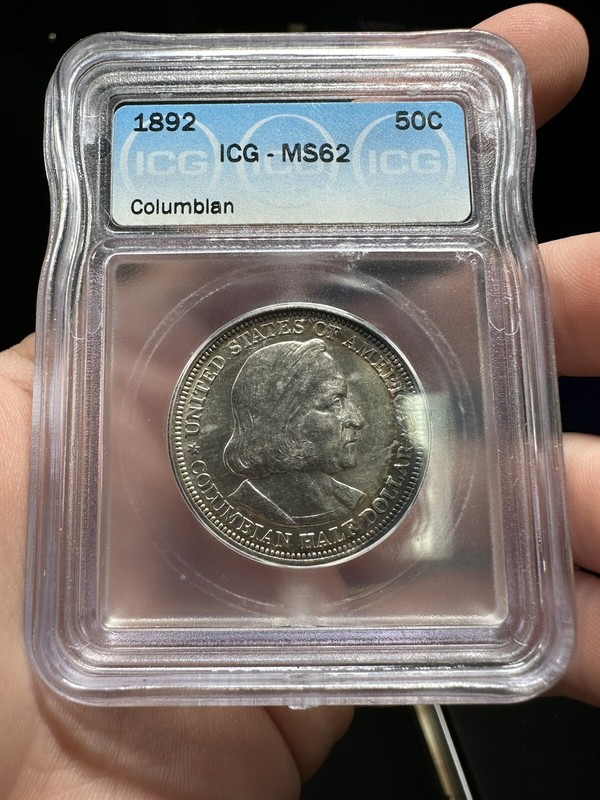
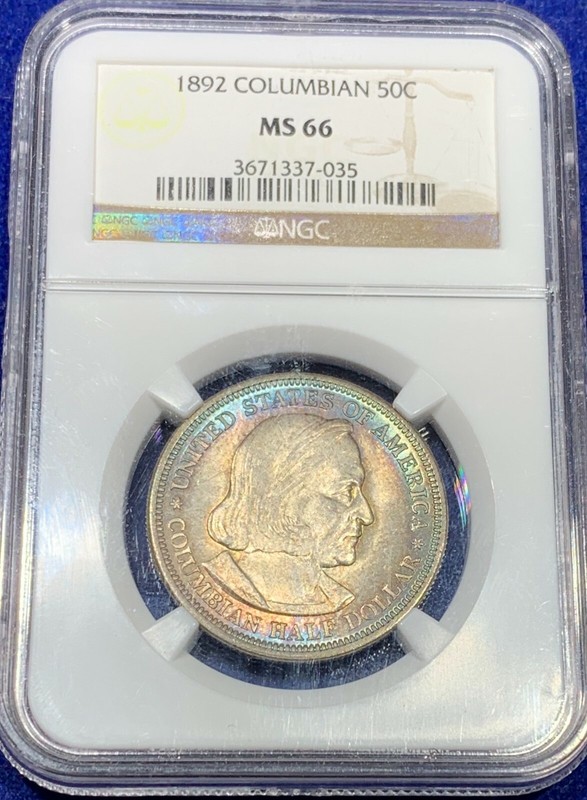
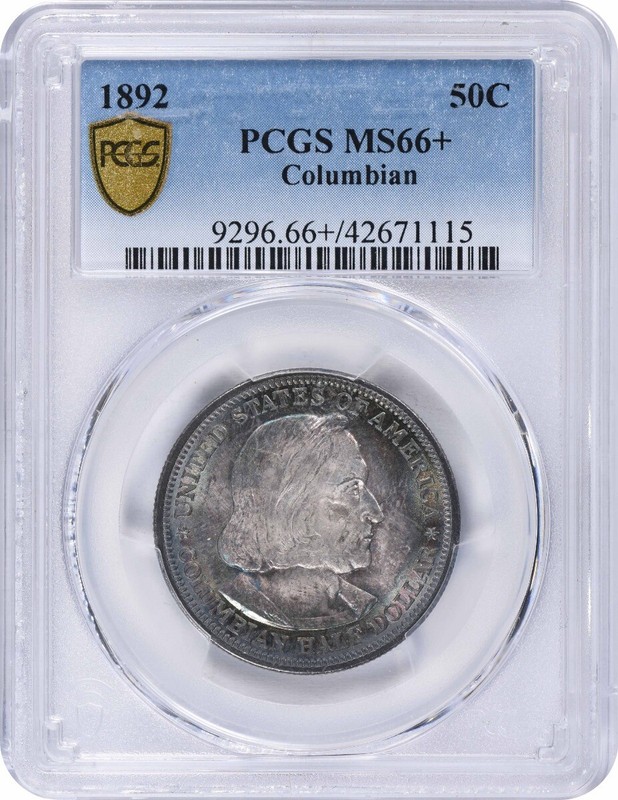
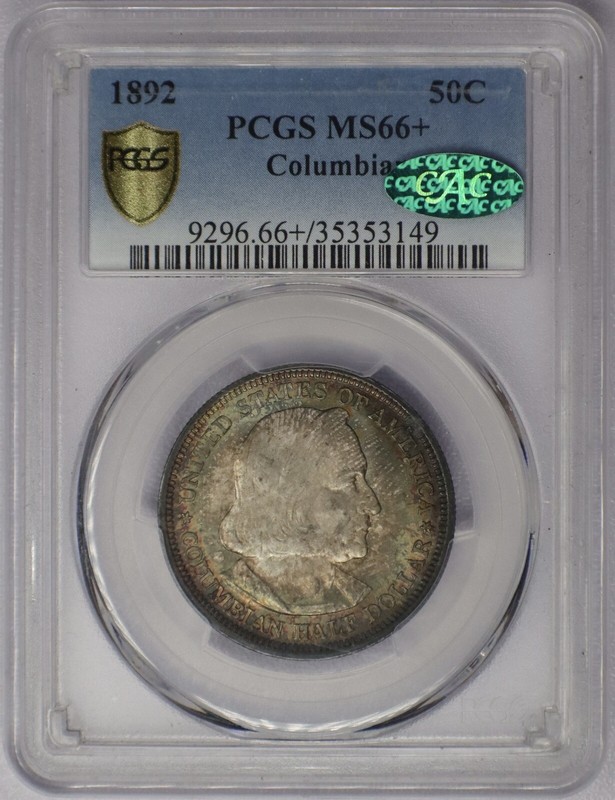
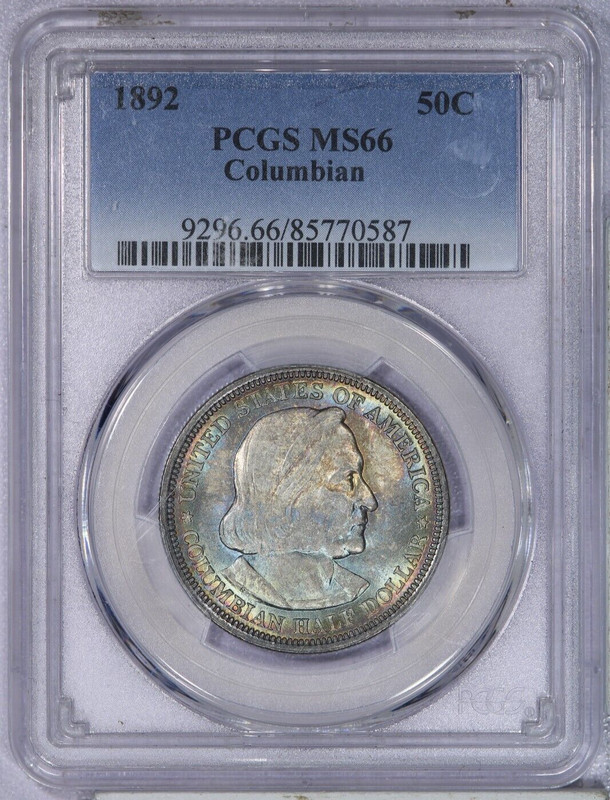
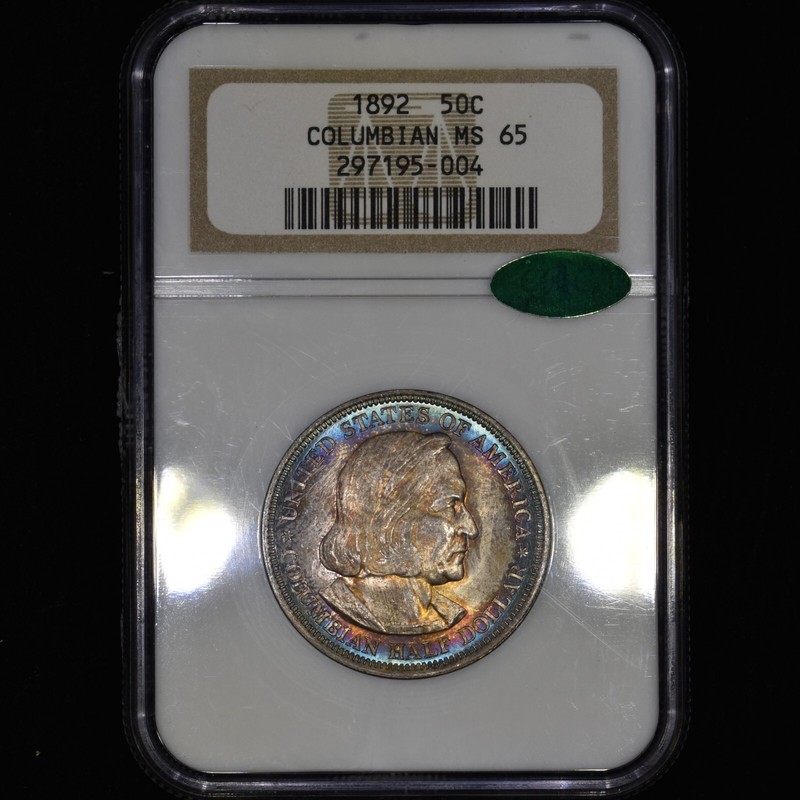
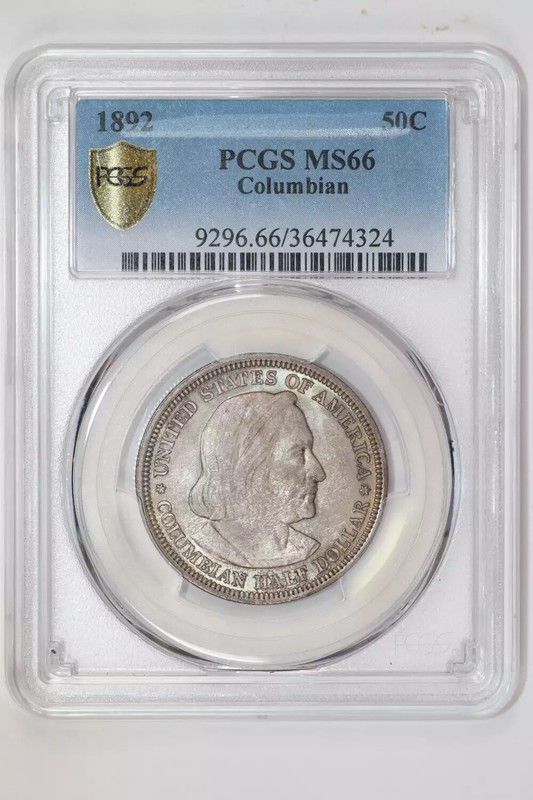
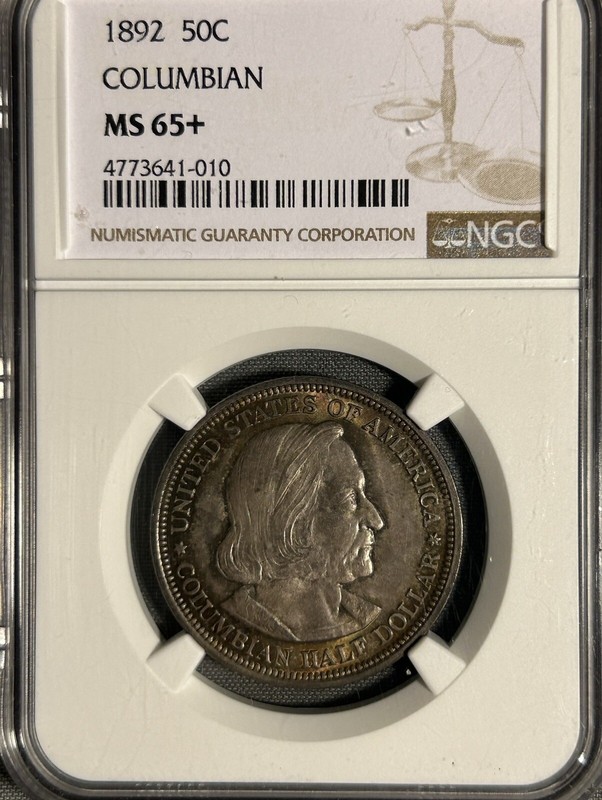
The obverse of the half dollar depicts a profile portrait of Christopher Columbus. Designed by Charles E. Barber, our intention was to portray Columbus in a dignified and composed manner, reflecting his significance in history as an explorer. The periphery of the coin reads UNITED STATES OF AMERICA and COLUMBIAN HALF DOLLAR, framing the central image.
Reverse Features
Central Motif: Santa Maria above two hemispheres
Additional Symbol: The Queen Isabella quarter
We chose the reverse of the coin to feature the Santa Maria, Columbus’s flagship, sailing atop two globes representing the Old and New Worlds. It is a powerful symbolization of Columbus’s journey and discovery. Below the ship and globes is the date 1492, the year Columbus set sail. This imagery reminds us of the pivotal moment when two once separate worlds were brought together. Surrounding this are the words WORLD’S COLUMBIAN EXPOSITION CHICAGO. The design, a collaborative effort by Barber and Morgan, invites the holder to appreciate the historical significance of this transatlantic voyage.
Sponsored Content


Minting and Characteristics
We are examining the origins and the specific features of the 1892 Columbian Commemorative Half Dollar, highlighting its minting details and physical characteristics that have captured the attention of numismatists and collectors alike.
Mint Information
The 1892 Columbian Commemorative Half Dollar was struck at the Philadelphia Mint. It holds the distinction of being part of the first series of commemorative coins produced by the U.S. Mint. Minted to celebrate the World’s Columbian Exposition in Chicago, this half dollar served not only as a memento but also helped fund the exposition itself.
Physical Details
Diameter: The diameter of this coin is precisely 30.60 millimeters, making it comfortably match the dimensions of modern half dollars.
Composition: Reflecting the era’s standard for precious metal coinage, the Columbian half dollar features a composition of 90% silver and 10% copper. This metal mixture was typical for silver coinage at that time, ensuring a balance between value and durability.
Edge: The edge of the coin is reeded, which was a common security feature to prevent clipping and counterfeiting during the period.
| Physical Attribute | Specification |
|---|---|
| Type | Commemorative coin |
| Metal Composition | 90% Silver, 10% Copper |
| Diameter | 30.60 millimeters |
| Edge | Reeded |
These attributes have become standard for identifying authentic 1892 Columbian Commemorative Half Dollars, setting criteria for valuation and assisting in the verification of the coin’s legitimacy.
Collectibility and Value
In our exploration of the 1892 Columbian Commemorative Half Dollar, we focus on its rarity, condition, and market presence—the core elements driving its collectibility and value.
Rarity and Survival Estimates
The 1892 Columbian Half Dollar had a substantial mintage of 950,000 pieces, produced by the United States Mint in Philadelphia. Despite this large mintage, survival estimates suggest that fewer examples exist in higher grades, making them rarer and thus more valuable to collectors. The rarity of these coins is also influenced by the number that have been certified by prestigious grading companies like PCGS and NGC.
Condition Census and Grading
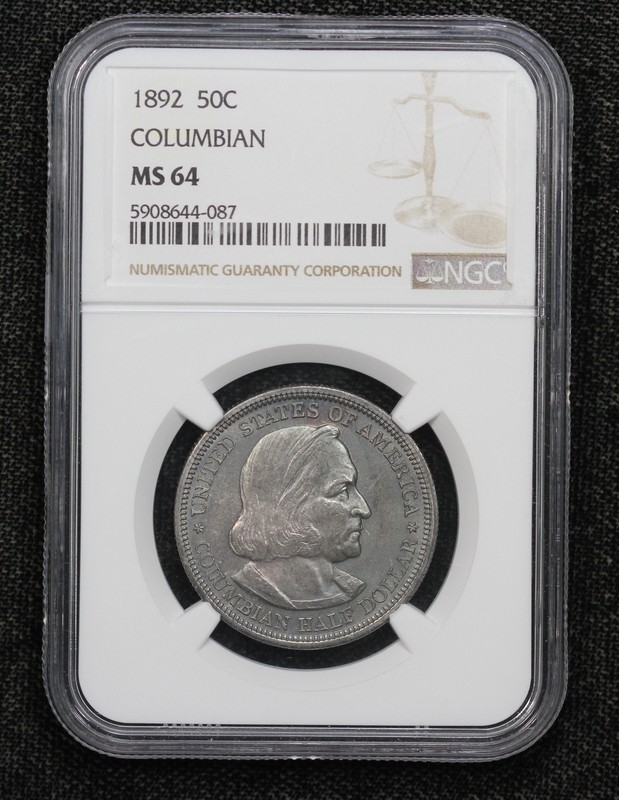
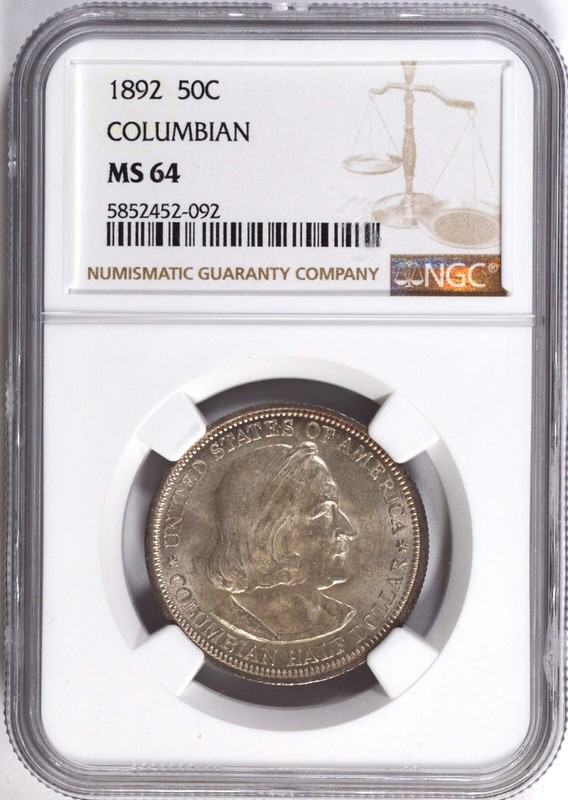
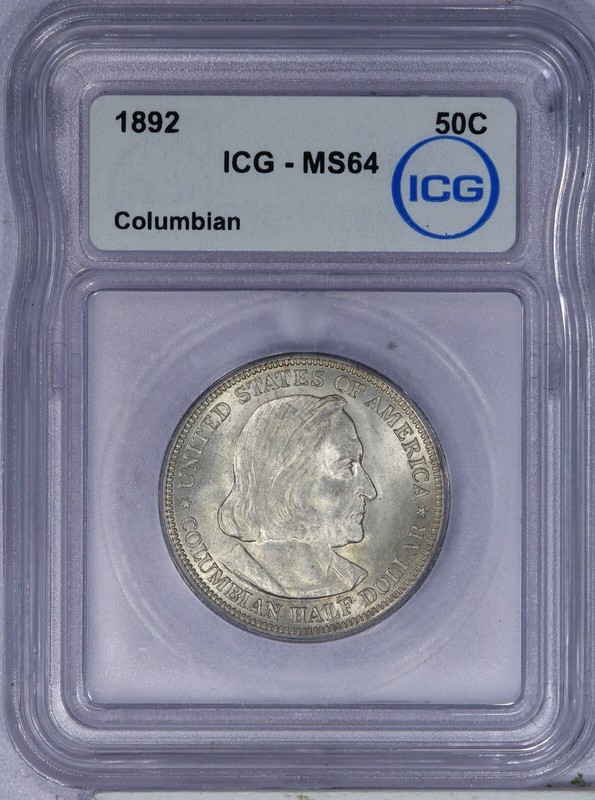
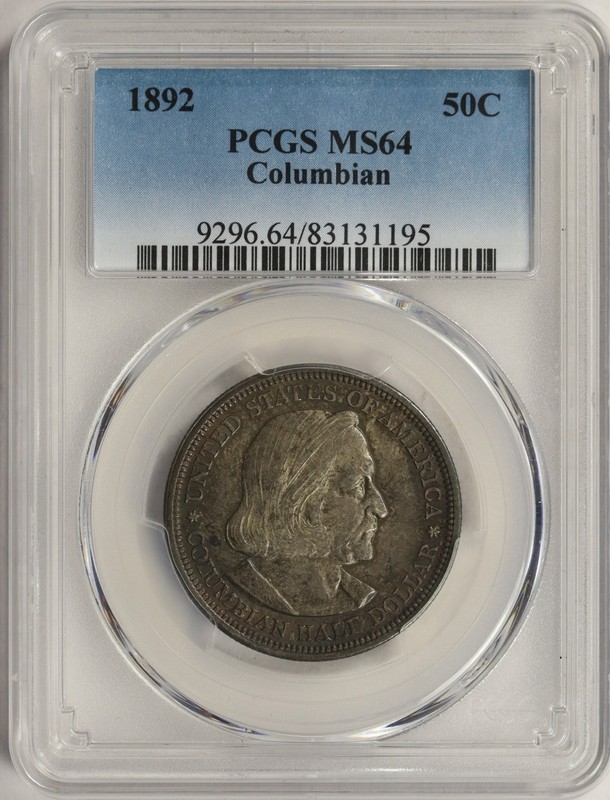
The condition of a Columbian Half Dollar is assessed using a grading scale, with coins graded MS65 and above being in exceptional condition. They are often highlighted in a condition census which ranks the finest known examples. A certified coin, such as PCGS graded or NGC graded, holds more value due to its verified condition. High-grade specimens, such as an MS67, are particularly sought after in the collector’s corner, attracting premium prices at current auctions.
Market Overview
Commemorative coins like the 1892 Columbian Half Dollar often appear on the market, with varying prices based on their grade and rarity. Collectors can find these coins in venues such as eBay, but they also sell in numismatic shops and at coin shows. Certified coins, especially those with a known pedigree and history, can fetch higher prices. For instance, a certified MS67+ example sold at auction for a record $35,250. The market for silver commemoratives remains robust as collectors value both their historical significance and their intrinsic silver content.
Legal and Monetary Aspects
In this section, we explore the legislative background and the economic considerations surrounding the 1892 Columbian Commemorative Half Dollar. We look into how Congress and the Treasury Department were involved in its issuance, as well as the coin’s face value and distribution method.
Legislation and Issuance
Congress authorized the creation of the 1892 Columbian Commemorative Half Dollar to raise funds for the 1893 World’s Columbian Exposition in Chicago and to commemorate the 400th anniversary of Columbus’s voyage. The Philadelphia Mint, operating under the authority of the U.S. Mint, was commissioned to produce these coins. A total of $5 million worth of half dollar coins were authorized, marking the start of a rich tradition of U.S. commemorative coinage.
Face Value and Distribution
Originally, the face value of the coin was set at 50 cents, and it was intended to be distributed at the exposition. However, it was sold to the public for $1.00 each to generate additional funds. Over time, the value of these coins, as outlined in various price guides and numistmatic resources, has been subject to change. The value of these collectors’ items is periodically updated in price guides, with the last updated figures reflecting the market trends and collectors’ interest.
Please note that precise values and historical details are typically confirmed by checking the most current resources available to ensure accuracy.
Cultural Impact
The 1892 Columbian Commemorative Half Dollar holds a significant place in both the numismatic community and the broader tapestry of American history. Our exploration of its cultural impact reveals how this early commemorative has become a symbol of both historical celebration and numismatic innovation.
Exposition Significance
During the 1893 World’s Columbian Exposition in Chicago, the Columbian Exposition half dollar was intended as a source of revenue and a means of commemorating the 400th anniversary of Christopher Columbus’s voyage to the New World. This exposition was a world’s fair that brought together innovations, cultures, and ideas from around the globe. One of the fair’s highlights was the United States Mint exhibit hall that showcased the 1892 and 1893 Columbian half dollars.
As a souvenir, these coins were sold for $1.00 each—double their face value—demonstrating the public’s willingness to purchase numismatic items not only for their monetary worth but also their historical and commemorative value. The fair itself was a vibrant representation of American progress and culture at the turn of the century, featuring remarkable inventions, including the Remington typewriter, which would go on to reshape communication and business practices.
Commemorative Relevance
The Columbian half dollar wasn’t merely the first United States coin to commemorate a historical event—it set the precedent for the U.S. Mint’s future programs featuring U.S. coins with special designs that honour significant American people, places, events, and institutions. As an early commemorative, the Columbian half dollar’s issuance marked the beginning of what coins could represent beyond their economic function. These coins crafted history into a tangible form, allowing people to hold a piece of the past in their hands.
Our examination of the coin’s impact shows its cultural value has persisted over time. For collectors and historians alike, the Columbian half dollar remains an artefact of immense importance. It is not only a memento from the renowned Columbian Exposition but also a milestone in the tradition of U.S. coinage that reflects the nation’s endeavors to remember its foundation and progress.
Additional Resources
In this section, we provide guidance on organizations and venues that specialize in numismatic expertise and sources for acquiring the 1892 Columbian Commemorative Half Dollar.
Numismatic Organizations
We recommend connecting with established numismatic organizations for authoritative information and expert assistance.
- Professional Coin Grading Service (PCGS)
- PCGS offers grading and authentication services for the 1892 Columbian Half Dollar.
- Website: PCGS
- Services: Grading, Authentication
- Special Features: PCGS Graded, Pos Grade Image, Subscription Service for News and Updates
- Numismatic Guaranty Corporation (NGC)
- NGC is a prominent numismatic entity for certifying coins, including the 1892 Columbian Half Dollar.
- Website: NGC
- Services: Grading, Verification
- Special Features: NGC Graded, Collector’s Corner
Acquisition Outlets
For collectors looking to acquire this historical coin, numerous outlets offer purchase opportunities.
- Collector’s Corner
- A marketplace where collectors can browse and purchase PCGS and NGC graded 1892 Columbian Half Dollars.
- Status: For Sale Now at Collector’s Corner
- Website: Collector’s Corner
- Coin Shows and Auctions
- Coin shows and auctions are prime spots for finding graded Columbian Half Dollars.
- Assistance: Experts often available for help
- Online Retailers and Auction Websites
- Reputable online sources often list Columbian Half Dollars with detailed descriptions, including obverse designer Charles E. Barber, reverse designer George T. Morgan, and fineness details.
Sponsored Content